

Building a steel frame home, barndominium, or metal building in Texas? Then you already know the soil here doesn’t play nice. It shifts, shrinks, swells, cracks, and heaves with the seasons. And when your slab isn’t designed for it, you’re looking at real structural headaches. That’s why the question of whether you need an engineered slab foundation in Texas isn’t just a legal issue—it’s a practical one, too.
Do I really need an engineered slab foundation in Texas, or can I rely on “best practices”?
Texas clay soil is notorious for causing foundation problems. It moves with the seasons. And when it does, it takes concrete slabs with it. Builders and property owners across Texas—especially in East Texas—have tried to navigate this challenge for years with a range of strategies.
- Post-tension slab-on-grade
- Deepened edge beams and interior grade beams
- Replacing over-excavation with select fill
- Moisture conditioning and soil stabilization
- Fully engineered slab based on geotechnical reporting
…just to name a few.
Confused yet?
Here’s the truth:
An engineered slab isn’t always required by law in Texas, but in many situations it is required by building code, lenders, or insurers—and in almost all cases, it is the only way to meaningfully reduce risk.
Yet many clients opt for cheaper, non-engineered options, then return upset when their slab cracks later. This article breaks down the real rules, the risks, and the expectations every builder and property owner in Texas should understand.
Table of Contents
What Is an Engineered Slab Foundation in Texas?
An engineered slab foundation in Texas is a slab-on-grade foundation that is:
- Designed by a licensed structural engineer
- Based on site-specific soil conditions
- Often informed by a geotechnical (soil) investigation
- Documented with sealed drawings and calculations
Unlike generic slab details, an engineered slab foundation in Texas is designed to account for expansive clay, moisture variation, and anticipated ground movement.
Are Engineered Slab Foundations Legally Required in Texas?
Short Answer
No, not in every case. But often, yes.
Texas does not have a single statewide rule requiring all slabs to be engineered. Instead, requirements come from:
- Local Authority Having Jurisdiction (AHJ) – city or county
- Building code adoption (IBC / IRC with amendments)
- Occupancy type (habitable vs non-habitable)
- Use (residential, commercial, public access)
- Soil conditions
Typical Reality Across The State of Texas
Agricultural or Non-Habitable Metal Buildings
- Often allowed with prescriptive or builder-designed slabs
- Especially outside city limits
Residential Homes or Habitable Structures
- Engineering is commonly required, even if not stated plainly
- Most cities expect compliance with IBC or IRC
Commercial or Public-Use Buildings
- Engineering is almost always required
While the State of Texas does not require engineering in every case, code officials, lenders, and insurers often do.
📘 Code Requirements: What the IBC Says About Slabs in Texas
Many Texas jurisdictions have adopted the 2021 International Building Code (IBC).
Chapter 18 of the 2021 IBC governs Soils and Foundations specifically.
If your city enforces the IBC, this section directly affects whether an engineered slab foundation in Texas is required.
Here’s the scoop:
IBC 1803 – Geotechnical Investigations
IBC Section 1803.2
Requires a geotechnical investigation when soil conditions are questionable or when required by the building official.
IBC Section 1803.5.3 – Expansive Soils
Specifically requires investigation where expansive soils are present.
Why this matters:
Expansive clay soils are common across East Texas and much of the state. If expansive soil exists (or is likely), the IBC expects soil evaluation before foundation design.
IBC 1808 – Foundation Design
IBC Section 1808.6 – Foundations on Expansive Soils
Requires that foundations be:
- Designed to resist soil movement OR
- Built on soil that has been modified or replaced to control movement
Plain-language translation:
If the soil moves (and Texas clay does), the slab must be engineered to handle that movement, or the soil itself must be engineered.
Either way, engineering is involved.
What This Means in the Real World
If your project is:
- In city limits
- On expansive clay soil
- A home, addition, or habitable structure
Then, an engineered slab foundation in Texas is often functionally required, even if enforcement varies.
So, sure, you can play the odds and skip the engineering. But skipping engineering doesn’t eliminate responsibility—it just shifts risk.
🔍 Important: The State of Texas does not require engineering across the board. But lenders, insurance carriers, inspectors, and local officials often do.
Why Texas Soil Is a Problem for Slabs
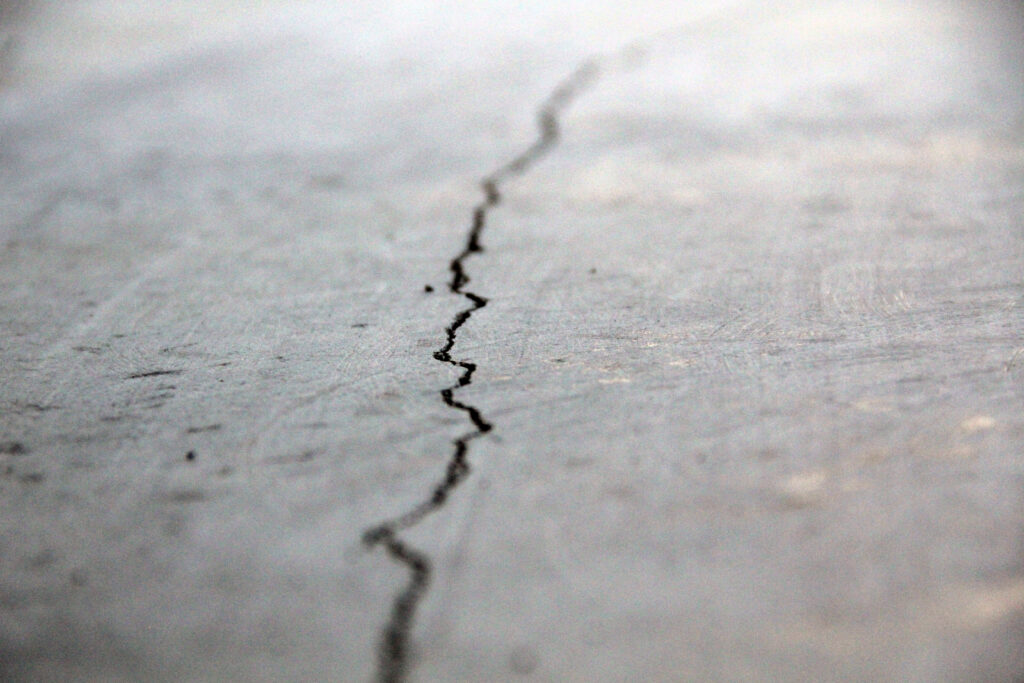
Texas soil—especially in East Texas—is expansive clay, known as “vertisol.” Vertisol expands when wet and shrinks when dry, causing seasonal ground movement that can lift, drop, heave, or crack your concrete slabs.
What This Means for Foundations:
- Slabs will move over time—engineered or not
- Cracking is inevitable to some degree
- Engineering helps manage and distribute stress
- Without engineering, performance is unpredictable
“Best Practices” vs. Legal Reality
Here’s the real problem. Many builders follow what they call “best practices”—proper base prep, rebar, thickened edges, etc.—but don’t use engineered designs.
Then the slab cracks.
Then the client says:
“But you said this was best practice.”
Now it’s a legal and reputational issue, not just a construction detail.
Why “Best Practices” Can Backfire:
- It’s subjective and open to interpretation
- Clients hear “guarantee” when you meant “effort”
- Lawyers can twist it to mean negligence
⚠️ Best practices ≠ warranty
If you’re not offered an engineered slab foundation in Texas, ask for clarification. Get it up front and in writing.
Important Truths for Homeowners
Let’s make this plain:
- Expansive clay will move
- Concrete will crack
- Cracking alone is not a defect
- Engineering reduces risk, but does not eliminate it
- Non-engineered slabs are cheaper upfront and riskier long-term
If you skip an engineered slab foundation in Texas, you are choosing cost savings over predictability.
Foundation Options Explained Clearly
✅ Engineered Slab-on-Grade Foundation
Includes:
- Geotechnical soil testing
- Site-specific structural engineering
- IBC-aligned design (1803 & 1808)
Best for:
Homes, additions, habitable structures, long-term investments, peace of mind
✅ Non-Engineered Slab Using Industry-Standard Methods
Includes:
- No soil testing
- No site-specific engineering
- Builder-selected details
Important:
Cracking due to soil movement is a known condition, not a construction defect.
When You Should Insist on an Engineered Slab Foundation in Texas
You should strongly consider engineering if:
- The structure is habitable
- The site has expansive clay
- You are pulling a city permit
- A lender or insurer is involved
- You hope to sell it one day
- You want defensible documentation
- You DON’T want problems later
Contract Language Matters (For Everyone)
A simple but effective clarification:
“This project includes a non-engineered slab constructed using industry-standard methods. No geotechnical testing or structural engineering has been performed. Cracking due to soil movement is a known condition and is not considered a construction defect.”
This protects builders and informs homeowners.
Final Thoughts: Code, Soil, and Reality
This isn’t just opinion.
The International Building Code (IBC 2021) makes it clear:
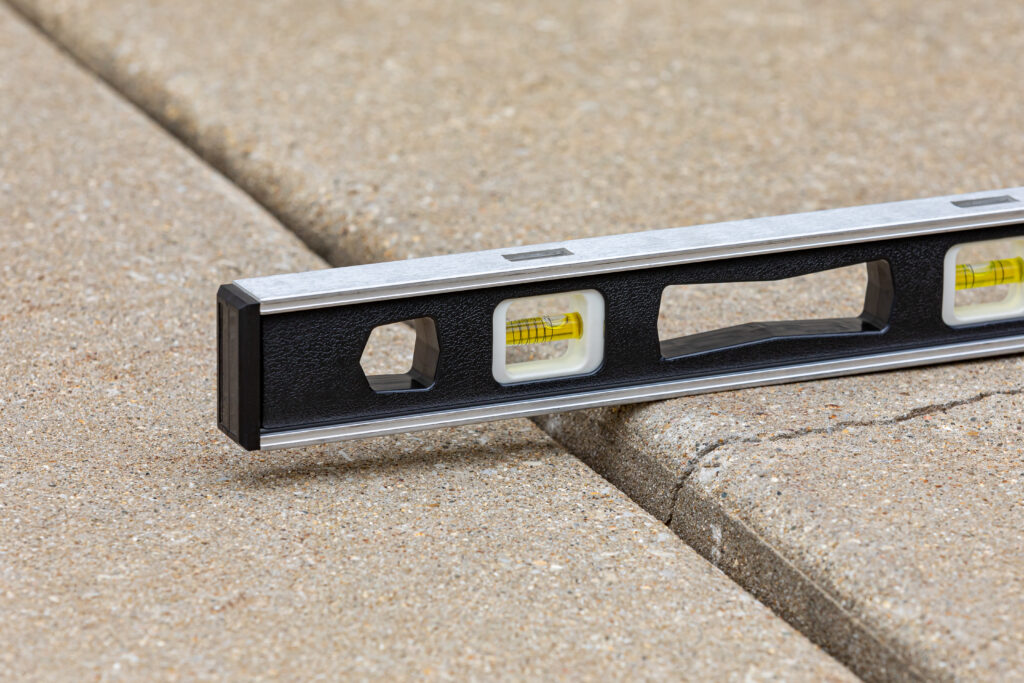
- Expansive soils require investigation (IBC 1803.5.3)
- Foundations must resist soil movement, or soil modifications are required (IBC 1808.6)
That’s why an engineered slab foundation in Texas is often the safest, clearest, and most defensible choice.
Don’t Fall Into the Expectation Trap
Don’t choose the lower-cost slab, but still expect engineered performance.
What Homeowners Should Know About Engineered Slab Foundations in Texas
If you’re a homeowner or property investor, here’s the bottom line:
- You are not always required to have an engineered slab
- But you are accepting more risk if you skip it
- If cost is your main concern, understand that movement is likely
- An engineered slab costs more, but it protects your investment
- Ask your builder to explain the difference and document your choice
Need Help Deciding What’s Right for Your Project?
If you’re building in East Texas and want clarity—not sales pressure—we can help.
We’ll explain:
- Whether your local code requires engineering
- What your soil conditions mean
- What level of risk you’re accepting without engineering
📞 (903) 229-8185
📧 Email us →
📍 Serving East Texas and surrounding areas
Get your Free Download!
Here’s a handy Custom Home Planning Checklist download just for stopping by.
We’re always here to answer your questions, and of course, consultations are always Free!


